
Finance - Innovation - Compliance
Finance - Innovation - Compliance
Now is the time to hang on tight to the change jar. Soon the pennies in it might be a collector's item. Yes, it is true. The United States has minted its last penny on November 12th, 2025, following an order from the president to discontinue production due to high manufacturing costs The cost of producing a one cent coin was nearly 4 cents. The decision to stop production will save us an estimated $56 million annually. Truly little more than change in the couch compared to the massive federal budget. So those are just facts.
However, there is a much more interesting point to consider when we think about the penny going away. The fact of the matter is that money, as we know, has changed forever. There will be a Pre-Penny era and a post-Penny era. Sellers will adjust prices accordingly, but with most Americans using digital payment methods not much will change there. Is this the beginning of the disappearance of cash?
Not likely, while it is very difficult to measure, cash still has a firm place in our economy. While declining in use surely, The ATM Industry association ATMIA estimates over half a million ATMs in the country and use is largest amongst younger users with use declining in older generations. Cash will always have a place. The value of that cash is a topic of further debate, however. But I digress, back to the penny.
Of course, that doesn't seem like much of a change to talk about. Okay, the penny goes away. What is the big deal?
More important to note, the fact is that money does change. Over time, we have been living in a world for several generations, where we have been under the influence of the US dollar. We are under the belief that “it has always been this way”. The money in the pocket of the average American has gone few changes noticeable to the laymen. They have surely noticed the cosmetic changes and the hard fact that it does not buy the same amount as it did long ago. Or often even as much as it did last month. But as far as most are concerned it is backed by the full faith and credit of the United States and that is good enough to put them at ease.
Most people have not thought too much about the dollars in their pocket as long as they keep spending. As long as they are, able to go to work, earn a living and use those dollars to raise a family, and enjoy the occasional recreation. The technicalities of how the money in their pocket operates in the big world we live in hasn't been on the radar of the average American. That has been rapidly changing as the noticeable changes begin to become more and more painful, and other forms of money present themselves outpacing the dollar.
However, that is changing. Digital currencies, international currencies, more Americans traveling the world. The news highlighting the issues that have grown over decades and ascribing them to now President Trump. The average American is becoming aware of the fact that the United States debt is a real problem to consider. We've had several debt shutdowns of the United States government, and we may have a debt ceiling fight coming up next year.
The debt ceiling is currently $41.1 trillion dollars and was enacted on July 4th, 2025, by the budget reconciliation Act. With compounding. The United States has been running roughly a trillion dollars annually just in interest payments. Thus. The current debt of 38.2 trillion, with a debt limit of 41.1 trillion. It Appears to give the government approximately eight maximum, nine quarters of continued operation before the debt limit ceiling will be raised again. You can see below, the interest payments on the government debt have skyrocketed.
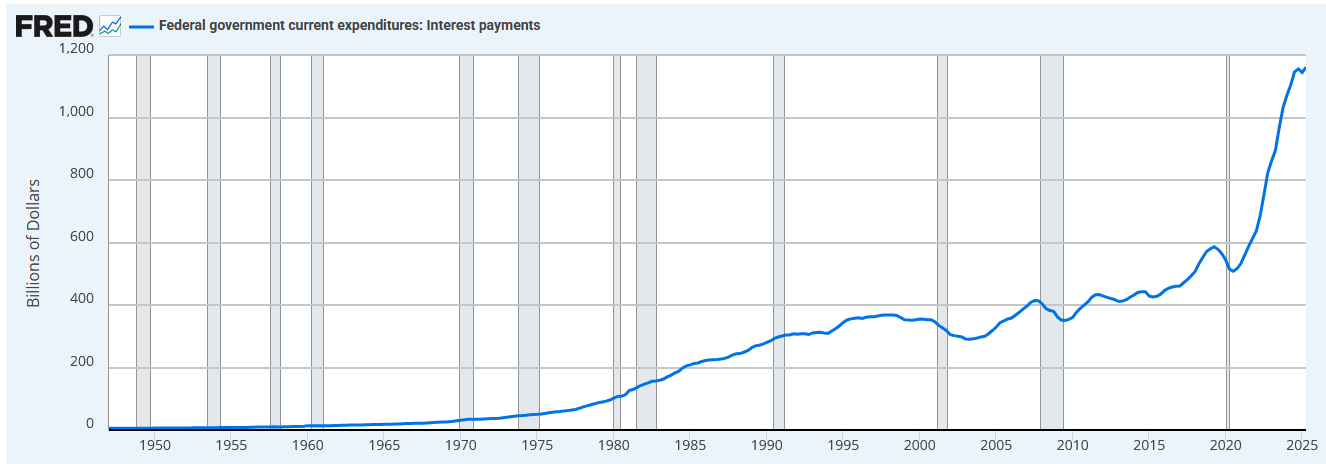
Source: U.S. Bureau of Economic Analysis via FRED®
Average Americans aren’t the only ones who are pinching pennies in this economy. The Government and its creditors are looking at the books of the US government with increased skepticism. They are metaphorically looking though the couch cushions to see what they can find. Enter the US Strategic Bitcoin reserve.
United States current currently holds approximately 198,000 Bitcoin, as of August 2025. On March 3rd, 2025, president. Trump announced that the reserve would include Solana Cardano, Ripple and Ethereum including as in addition to bitcoin. We see the United States of America, recognizing another form of currency other than the US dollar. Does this have international value? Who decides that? What is happening to the money?
The money that we use has not always been the same. People will often say that “it's always been this way”. But the fact of the matter is that it has not. Money is a thing that changes over time and reflects the changing culture of any particular place and time.
For example, the continental currency that financed the losing side of the civil war had some unique characteristics and flaws. I will simply leave this here.
Characteristics:
Problems:
We can look back to early colonial money, the Stamp Act, the first bank of North America, the First Central Bank of the United States, the second Central Bank of the United States and then the Federal Reserve enacted in 1913 after a dubious meeting of Bankers on Jekyll Island, Georgia. Great book on the topic is “The creature from Jekyll Island”, by G. Edward Griffin. Money has changed a great deal in our country’s history, and it will continue to change.
In 1913 money was originally backed in Full Faith and Credit of the United States government with gold and silver. We had silver certificates before enacted by John F. Kennedy. We had a revaluation of silver of gold in 1933, after banking Uh, debacle. After the Great Depression. Money. He had a very different connotation for generations or 2 individuals who experienced what we now call the Great Depression. The images from that time are startling. We saw the Dust Bowl. We see people who look malnourished, and starved to the bone
However, there is not a major city in the United States of America in which we will not find a large population of people who remind us of the faces etched in our minds from the images of the Great Depression.
We are living through a silent depression as we speak. The question is in this tumultuous monetary time. Is our government taking action? And are they taking action bigger than a penny? The answer to those questions is yes and emphatically.
We are at the beginning of a change in the monetary system. Reminiscent of that which occurred after World War II. Hopefully, we will avoid the dangers of global war during this monetary reset.
The monetary reset that is coming will be the most complex in history, and, dear reader, I do not claim to have the mechanics of this reset worked out. However, we are in good hands here in the United States. As our president has had numerous bankruptcies under his belt and sadly, he may be one of the most qualified business individuals in the planet handle, the bankruptcy of the most powerful economy on the planet.
To be sure, the countries of the world are well aware that the debt of the United States will not be repaid by any traditional means. And this in turn makes them very nervous. We see the writing on the wall with BRICS. With new monetary systems, new financial systems, new payment rails popping up around the world.
The reserves of the dollar have been dwindling internationally. Countries all over the world are using alternative payment methods. Trade between Russia and China is all but done exclusively in non-dollar terms. The massive stockpile of dollars that China had accumulated, at one point well over a trillion dollars of treasuries, has been spent on infrastructure projects building goodwill and capital all over the world.
Gold has now reached above 4,000 dollars an ounce a spectacular all-time high. Silver has reached over $50 per ounce. An amount unfathomable just a few years ago and not seen in over a decade. What a time to be alive.
To conclude. Yes, we should be pinching our pennies as we approach what will be the most technically complex, monetary reset in history. As the United States will use digital assets and the revaluation of gold to pay down a large portion of its debts. It will be a thing to watch as the business and financial world around us changes. But as the saying goes. Change is the only constant. Money is always changing; some changes are more visible than others. The penny is gone, but what comes next remains to be seen.
For further information, please reach out to
+1-813-812-1950.
David.Spencer.finnovatecpa.com
When you know better you do better!! We help you stay up to date on business news!
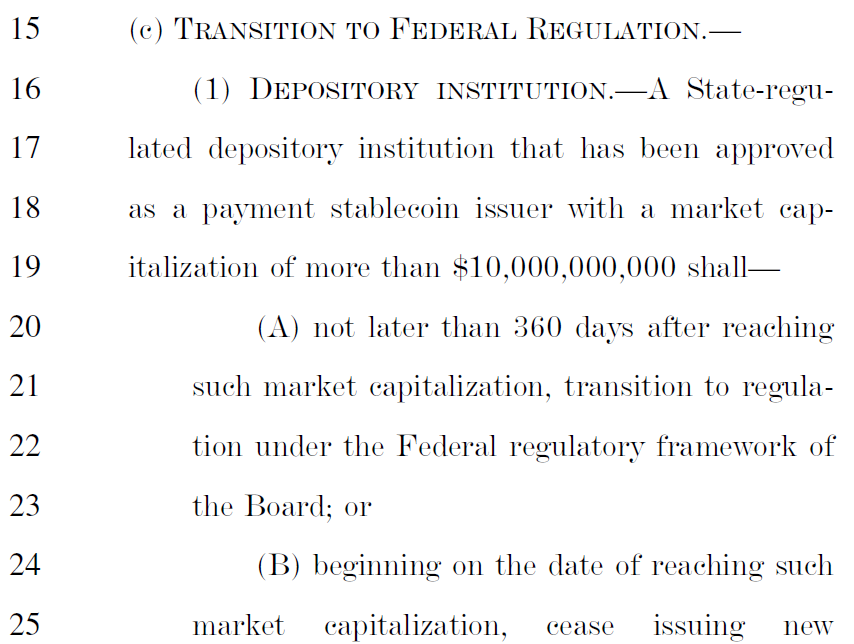
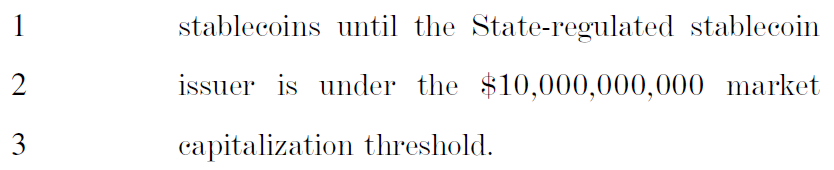
We now have some basic rules of the road for digital asset stablecoins. As expected, the primary provision is who is authorized to issue stablecoins. The GENIUS bill in large part outlines the regulatory framework for who is allowed to issue stablecoins, how authorized entities can apply for authority to issue, continuing compliance requirements, and penalties for non-compliance for authorized and unauthorized stablecoin issuers.
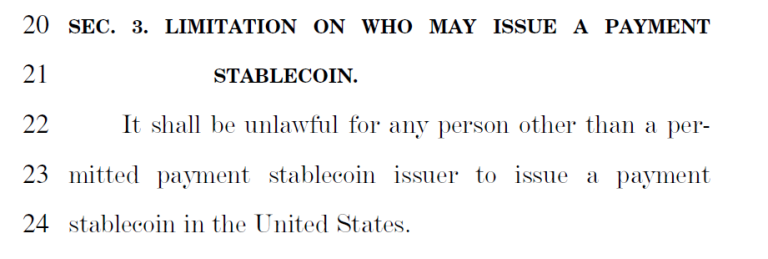
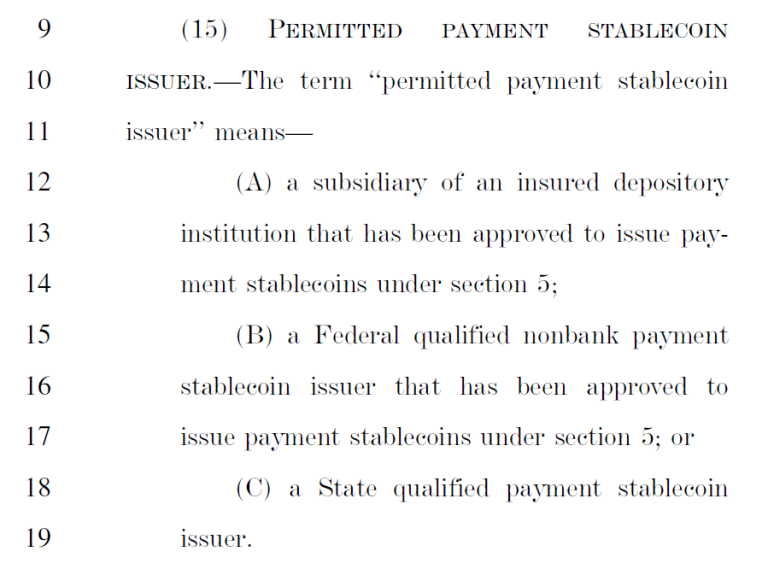
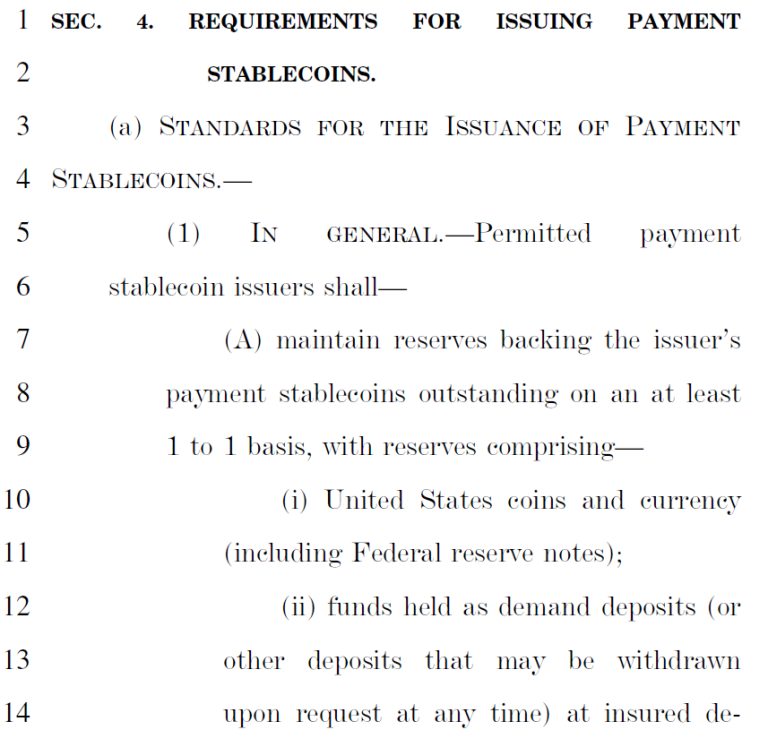
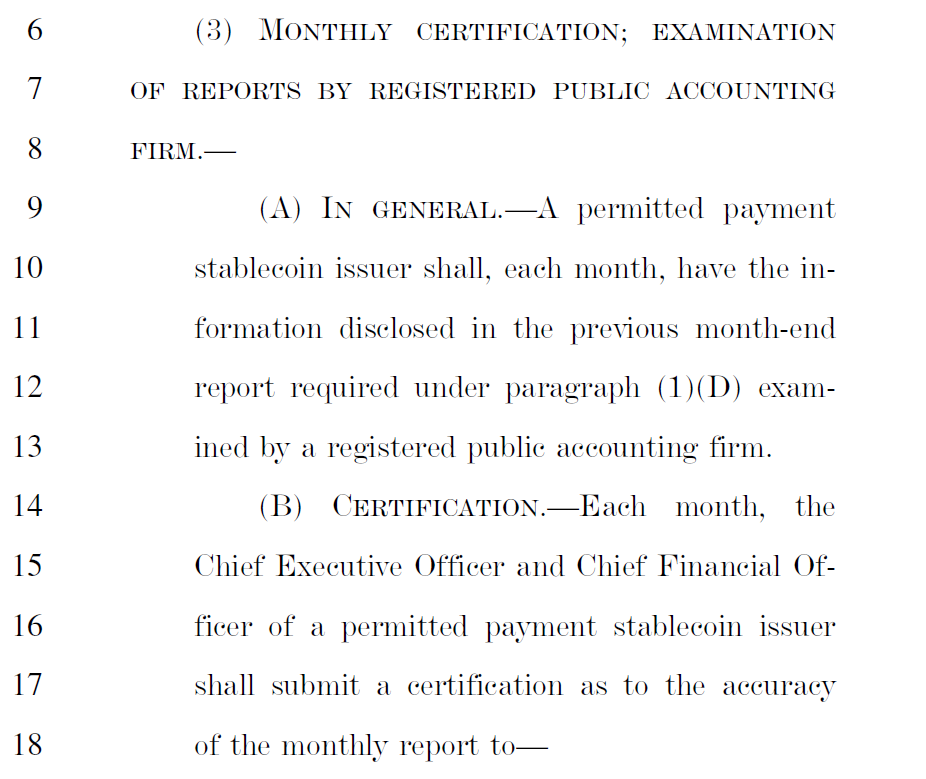
There is a provision that each month issuer's must have " the information disclosed in the previous month end report examined by a registered public accounting firm."
A standard examination engagement, as defined by the AICPA's Statements on Standards for Attestation Engagements, is a type of attestation engagement where a practitioner obtains reasonable assurance about whether the subject matter is presented fairly, in all material respects, in accordance with the applicable criteria. This is achieved by performing procedures to gather sufficient appropriate evidence to express a positive opinion in a written report. It's similar to an audit in that it provides a high level of assurance, but it focuses on subject matter other than historical financial statements.
This could be a heavy lift for monthly compliance. This compliance cost could be significant for large organizations.
Texas becomes the first US state to commit public funds to a standalone Bitcoin reserve, aiming to treat BTC as a long-term strategic asset.
We need your consent to load the translations
We use a third-party service to translate the website content that may collect data about your activity. Please review the details in the privacy policy and accept the service to view the translations.